
Trapped by War
The phone rang before dawn.
“They’re bombing Kyiv,” a relative cried.
From my home in a small village in northern Ukraine, just ten kilometres from the Russian border, I could hear explosions echoing in the distance. The sky was still black, the air freezing. I tried ringing my mother in Kyiv, but no one answered. Desperate, I called my neighbours — hoping they’d say it wasn’t true. But they only confirmed my worst fear: every major city in Ukraine was under attack.
That morning, 24 February 2022, divided the lives of Ukrainians into “before” and “after.”
For me, an Australian–Ukrainian dual citizen who had travelled to visit family in 2019, it marked the beginning of a terrifying fight for survival. COVID-19 border closures had stranded me in Ukraine — and now, war had trapped me there.
Living Under Occupation
The Russian army quickly took control of my region. Roads and bridges were destroyed, buses and trains stopped running, and essential supplies vanished.
It was dangerous and nearly impossible to leave. Every morning I woke up thinking it might be my last. I was too afraid to shower in case the house was bombed. I worried that soldiers might accuse me of being a spy because of my Australian passport. There were no groceries, no medical supplies, no fuel.
I began contacting anyone who might help. Each time I shared my location, the answer was the same: “Sorry. We can’t get to your village. It’s under Russian control.”
I tried joining a local evacuation list, but soon heard that buses were being attacked — people were lying on the floor screaming. I knew then I had to find another way out.
A Risk Worth Taking
Eventually, a cousin in another city offered help. Her husband’s friend, Nicholas, was willing to drive my elderly mother and me to Kyiv in his van — if we could reach his town, 40 kilometres away.
He could offer no guarantees. The roads were dangerous. But he agreed to try.
Neighbours donated precious petrol they had saved. Two friends, Alex and Sergei, offered to drive us despite the risks.
Our first attempt failed. The road was being shelled, and we had to turn back. We returned home and waited.
Five days later, Nicholas called unexpectedly. We had hours to leave.
We set off at night. Mum and I held hands in the back seat while Alex and Sergei drove, keeping our spirits up despite the danger. At every checkpoint, our names and car details had to match approved lists in order to pass.
We carried only essentials: small backpacks, a few clothes, torches, matches, soap, toilet paper — and bread we had dried like croutons so it wouldn’t go mouldy.
Half an hour from the meeting point, we got a flat tyre. Alex calmly changed it in the dark, encouraging us the whole time.
At 4am, in bitter cold and wailing sirens, we reached Nicholas and the other passengers — mostly elderly women and mothers with children.
We hugged our friends tightly, not knowing if we would ever see them again.
Alex is now fighting on the frontlines. I think of him and pray for him often.
The Road of Life and Death
The journey to Kyiv took four times longer than usual. We detoured through forests to avoid Russian-controlled roads, where others attempting escape had been shot.
Before leaving, I had decided I would rather die on the road than live under Russian occupation — especially with my Australian citizenship. The stories of torture and sexual violence made the risk painfully real.
What we saw along the way is etched into my memory: massive craters from explosions, destroyed cars, homes riddled with bullets. The devastation was unimaginable; it looked like the end of the world. What had once been a joyful road trip had become an apocalypse zone.
But we made it to Kyiv.
Within half an hour, we boarded a packed bus to Lviv, near the Polish border. It was filled with women, children, elderly people and their pets. Volunteers greeted us with hot drinks and food. Because train stations were being targeted, we were taken to a makeshift shelter in a local school for the night.
The next morning, air-raid sirens blared again. People ran and screamed. We realised that even western Ukraine was not safe. We boarded the first bus to Krakow, Poland.
Kindness in Poland
Crossing into Poland felt like exhaling after months of fear.
On the bus to Krakow, I suddenly remembered a friend who lived there. By some miracle, I reached him through WhatsApp before he left for a work trip.
He met us at the station and took us to his small studio apartment which he offered to us. He cooked chicken, potatoes, and carrots. We hadn’t realised how hungry we were until we saw the food. For more than a month, we had survived mostly on dried bread and water.
His kindness felt like a miracle. If we had arrived just a day later, we would have had nowhere to go and likely slept in tents. It was freezing and Mum needed warmth.
Life in Krakow was calm but uncertain. The sky was clear of missiles, and there were no sirens. It felt beautiful, but temporary.
Finding Purpose and Generosity
While in Krakow, I heard Ukrainian singing in the city centre and followed the sound to a rally protesting Russia’s invasion. I began speaking at the rallies twice a day, advocating for Ukraine. Journalists approached me, and I gave interviews and helped interpret for documentary filmmakers.
For three months, I continued speaking at the rallies, translating for journalists, and supporting other Ukrainians in Krakow. Advocacy became more than just speaking out, it helped me cope. It gave structure to my days and meaning to a time that felt uncertain and overwhelming.
I never expected the war to last so long. Every day, I hoped we would be able to go home.
When my friend returned from his trip, he quietly stayed in a hotel so Mum and I could remain in his apartment. I was overwhelmed by his sacrifice.
Later, a woman we met through an art therapy group offered us her flat for Easter — and then insisted we stay longer, free of charge. She gave us food, comfort, and even a traditional Ukrainian Easter basket.
For three months, strangers carried us through their generosity.
A Race Against Time
On 4 July 2022, I learned Australia would close its temporary humanitarian pathway for Ukrainians on 14 July. To apply successfully, my mother needed to be in Australia.
We had ten days.
Flights were scarce and expensive. Former colleagues in Australia organised an online fundraiser, raising $5,500 enough to secure two tickets. We left Poland on 12 July so Mum could submit her application before the deadline, two days later.
It was one of the most stressful periods of my life, but we made it. I felt incredible relief but also guilt — we were safe, but others couldn’t leave.
Home, and Not Home
Today, Mum and I are safe in Australia. 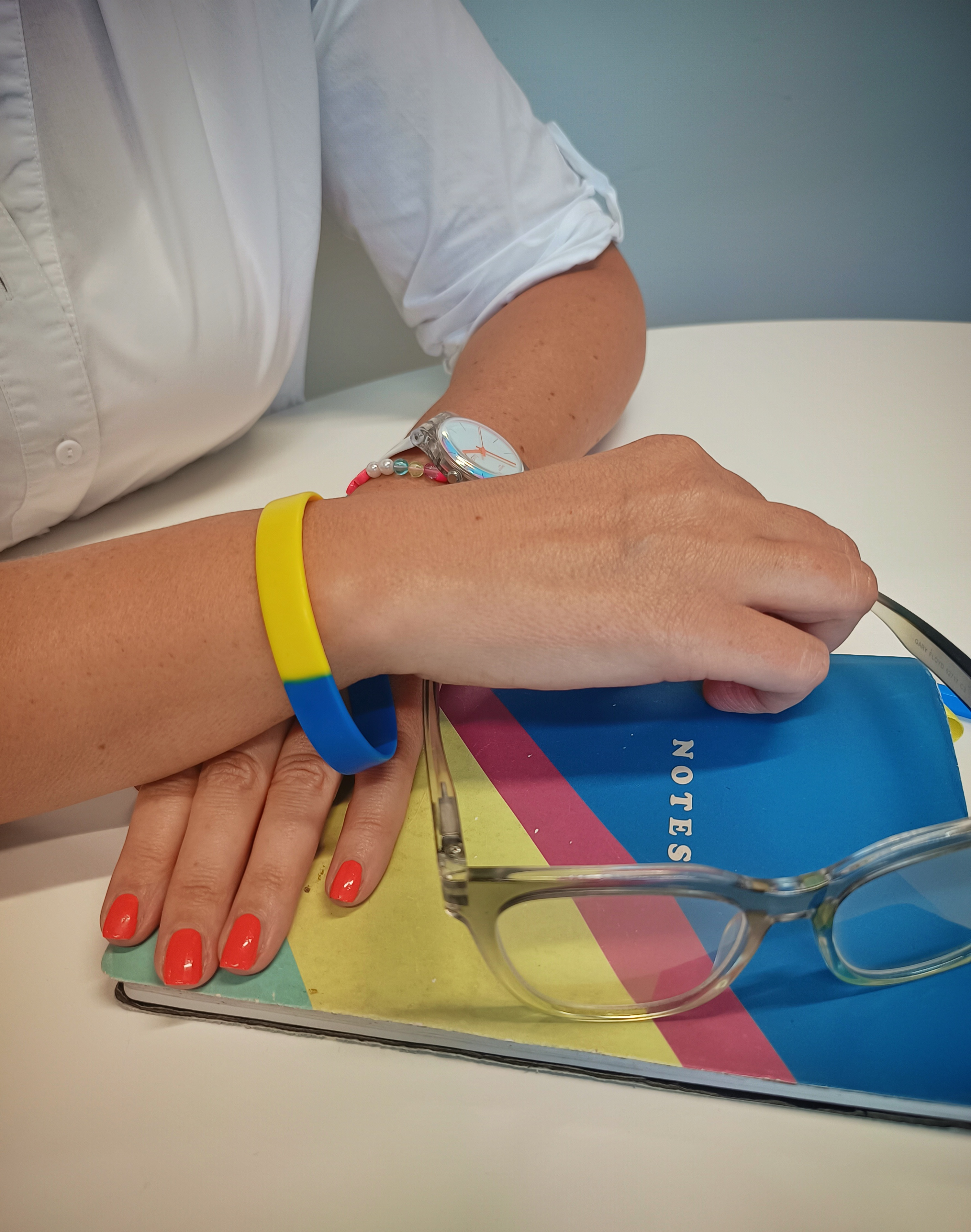
But part of our hearts remains in Ukraine — with our farm, our house, our neighbours, our cat, and the friends who risked everything to help us.
We live with gratitude — and with guilt — knowing so many remain in danger.
We often reflect on the courage of those who helped us escape, the generosity of strangers in Krakow, and the support of friends and colleagues in Australia who made our return possible.
Safety is not something we take for granted.
And support is not something we forget.
Because when war stripped everything away, it was people — ordinary people — who carried us to safety.
Support like yours changes lives.
And one day, when Ukraine is free, I hope to return home.